Top Cultural and Historical Places to Explore in Moldova
Moldova is a very diverse, though underestimated, destination in Europe, which can bring aa variety of traditions and the old and the new architecture with centuries-old roots and rich cultural heritage to the travelers. This lovely state is situated between Romania and Ukraine, and it is represented as a combination of Eastern European, Balkan, and Slavic cultures which influenced the formation of the nation throughout generations. The cultural and Historical Places to Explore in Moldova is a chance to observe the unchanged traditions, old monasteries, medieval castles and picturesque towns which have managed to keep their original nature.
It is unlike crowded tourist destinations that are in many cases, hectic and unsatisfactory when it comes to a traveling experience, Moldova is serene and rich in travel experience, and hence it is a perfect tourist destination to a traveler who appreciates history, culture, and deep exploration. Since the prehistoric cave monasteries that were cut into the limestone cliffs to the grand wine cellars that are hundreds of years old, the heritage of Moldova is strongly related with its religious and farming background. The events of the old civilization, medieval power, the Ottoman and Soviet periods, and the strong national spirit are described in its cities and villages.
Both when you are creating your own Moldova tour itinerary or just trying to find the ideas to go on a hidden European journey, Moldova is a country where history is not just the cases in a museum but it is in the life of its people. The guide will cover the most significant cultural and historical sites in the country and allow tourists to comprehend why Moldova has to be included in the list of the most beneficial cultural tourism in Europe.
Here are the Top Cultural and Historical Places to Explore in Moldova
Orheiul Vechi -The most recognisable historical complex in Moldova.
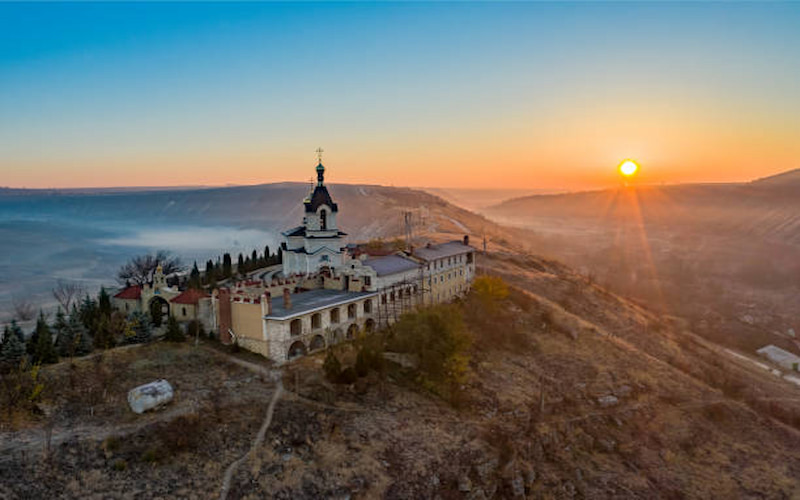
Orheiul Vechi is a one of the most important places of culture and history in Moldova, as it allows taking a wonderful look at the ancient history of the country. Being situated on the banks of the Răut River, this archeological site is over 2,000 years old and represents remains of various civilizations, such as the Dacians, Romans, Mongols, and the medieval Moldovans. The river and dramatic limestone cliffs form a spectacular natural scenery to augment the historical value of the site.
The cave monasteries of Orheiul Vechi are some of the most prominent characteristics of this area that was carved directly into the rock in the medieval times. These monasteries were used as spiritual places to stay by monks and are still operational places of worship in the current day. The ancient ruins, fortifications, and traditional Moldovan villages are also nearby and through which the visitors could gain experience in old customs and architecture that have not been changing over the centuries. The Orheiul Vechi can be called one of the strongest links of any Moldova tourist program as it provides the inimitable combination of archaeological, spiritual, and aesthetic charm.
Chișinău -the cultural heart of Moldova.
The cultural and political center of the country capital city Chișinau is the indispensable destination of any person who wants to see the cultural and historical sites in Moldova. Even after numerous wars and earthquakes, which have rebuilt the city several times, there are a lot of historical landmarks and cultural institutions in the city that represent the complicated history of Moldova.
The major tourist sites are the Nativity Cathedral, an icon of the Orthodox Christianity in Moldova, and Stefan cel Mare Central Park that was named after the most venerated medieval leader of the country. The National Museum of History and the National Museum of Ethnography and Natural History provide a profound understanding of the past of Moldova, ancient objects, and folk culture. The Soviet-era architecture of Chișinău also narrates a significant story of the 20th century, which is why the city is a living museum of the identity of Moldova that changed throughout the years.
Soroca Fortress – The protector of the Medieval Moldova.
The fortress of Soroca is the preserved medieval fort built on the shores of Dniester River. It was constructed in the 15 th century under the reign of Stephen the Great and served a major purpose of helping Moldova to fight off invasions. Being one of the most outstanding cultural and historical sites in Moldova, Soroca Fortress is a monument of military and architecture of the country.
It has massive stone walls, towers in the form of circles, and was a symmetrical structure which was ahead of its time. The tourists are allowed to walk the ramparts, see the interior rooms, and have a panoramic view of the surrounding. Soroca in itself is a culturally rich town and has a variety of communities and traditional crafts so it is worth putting it in any Moldova tour itinerary.
Tipova Monastery A Sacred Cliffside Retreat.
One of the cultural and historical sites in Moldova, Tipova Monastery is one of the oldest cave monasteries in Eastern Europe. This complex of monasteries is situated on the Dniester River and hewn out of great cliffs and is bounded by forests and falls.
Being a location of worship, meditation, and refuge of monks since the 10th century, Tipova Monastery has been a part of the history of the Uighurs. It is also remote and this adds to the enigmatic essence of the location, where visitors are drawn to both the historical understanding and spiritual peace. The churches, cells and chapels of the monastery give a strong access to the religious past of Moldova.
Old Orhei town and Traditional villages.
On the other side of Orheiul Vechi is the old town of Orhei and the villages around that town that safeguard the rural culture of Moldova. These villages are exhibits of the traditional houses, folk costumes, and folklore practices which have been passed on over the centuries. These villages are also important to explore due to the understanding of everyday life and intangible heritage among cultural and historical sites in Moldova.
The agrarian traditions of Moldova are reflected in local markets, traditional music and homemade food. The villages are part of their Moldova tour program of many travelers as they want to enjoy genuine Moldovan hospitality and cultural preservation that resists modernization.
Saharna Monastery and Waterfalls.
Another significant spiritual and cultural place is known as Saharna Monastery situated in a row of scenic waterfalls. It is one of the pilgrimage sites that are most visited in the country and is a significant part of the cultural and historical sites in Moldova.
Legend goes on to state that a footprint of the Virgin Mary was revealed on a rock close to the monastery rendering it to be a holy place to the Orthodox faithful. The monastery compound has churches, chapels and walkways that reach out to picturesque terraces. Saharna is a very unusual mixture of religious legacy and the nature.
Transnistria A Living Soviet Legacy.
Transnistria is an autonomous state providing a unique insight into the Soviet culture and history. The region has several cultural and historical places such as monuments, buildings, and symbols of the Soviet era preserved in such cities as Tiraspol that ensure the area is a distinct cultural experience.
Lenin statues, war monuments, and soviet-style constructions have not changed much since the 1990s. Politically, Transnistria is a complicated matter, but it offers a lot in terms of the historical context of Moldova and the formation of its modern identity and the post-Soviet development.
Cricova and Milestii Mici Wine Cellars Cultural Heritage Underground.
The wine culture is a significant part of Moldovan culture, and the wine cities Cricova and Milestii Mici that are located underground are accepted as cultural sites of great importance. These cellars are not just industrial accomplishments, and historical images of the Moldovan winemaking tradition.
Millions of bottles, some of which are decades old, are held in miles of underground tunnels. These wine cellars indicate the agricultural background of Moldova and its social customs and this renders them vital destinations within the tour packages of the best Moldova aimed at cultural tourists.
Gagauzia -A unique cultural territory.
The Gagauzia autonomous region is a special cultural experience due to the Gagauz people that speak Turkic. Their customs, food and celebrations are also diversifying the cultural and historical sites in Moldova.
The practice of Gagauzia is represented in museums, cultural centers and traditional villages, which though unique to the country, also play a role in the national identity of Moldova. Any Moldova touring it will add multicultural insights to the travel itinerary.
Stephen the Great Monuments.
The most glorified historical personality in Moldova is Stephen the Great, and he had monuments scattered all over the country. These memorials and statues show the medieval history of Moldova and national pride.
A visit to these monuments gives one an insight into how the country resisted the invasion by other countries and fought to retain its independence. They play a key role in the context of explanation of the cultural and historical sites of Moldova.
Museums that hold on to Moldovan Identity.
The museums in Moldavia are crucial in the implementation of keeping the cultural and historical heritage of the country. Ethnographic museums exhibit the traditional costumes, machinery, and household objects whereas art museums exhibit creations of the Moldovan artists of centuries.
These organizations are a good source of information to any visitor who wants to be part of the Best Moldova tour packages as they are able to understand the artistic and cultural development of the country.
Conclusion
Trip to the cultural and historical sites in Moldova depicts a destination that is full of authenticity, resilience, and tradition. Since the prehistoric cave monasteries and medieval castles, through the days of Soviet fortresses and colorful rural villages, Moldova can boast of a rich historical account that will still be used to make up its contemporary identity. Every part has its own tale to tell and that is why the country is a perfect destination to those who want to explore and get something substantial out of tourism rather than the tourism mainstreams.
The well-considered Moldova tour itinerary plans would enable the tourist to relate both to the familiar landmark sites as well as the little-researched cultural gems that have never been touched. The tourists, who want to be immersed in their journeys, the Best Moldova tour packages will allow them to explore the heritage of the country in a contemplative and enriching manner. Through a combination of expert planning and local knowledge, such a site as Gokite tours can enable tourists to find the cultural soul of Moldova and find comfort and authenticity at the same time.
Be it spiritual places, medieval architecture, or alive traditions, Moldova is an outstanding place whereby history and culture are not only preserved but also glorified on a daily basis. With more and more people seeking meaningful travels, cultural heritage of Moldova has placed it among the most rewarding countries to explore its heritage in Europe and consequently it is a trip worth taking through Gokite tours.

Recent Posts
Top Cultural and Historical Places to Explore in Moldova

What Are the Best Tea Garden Experiences in Darjeeling?

What Is the Validity and Stay Duration for Algeria Tourist Visa?
All Categories
Tags

Dubai